
Essential Guide to HVAC Design for Residential Buildings with Step-by-Step Tips
- Reza Haji
- 10 hours ago
- 3 min read

Designing an HVAC system for a residential building requires careful planning and technical knowledge. A well-designed system ensures comfort, indoor air quality, and energy efficiency. This guide walks you through the key steps in HVAC design, from calculating loads to selecting equipment, sizing ducts, planning ventilation, and improving energy efficiency. Whether you are a homeowner, builder, or new to HVAC concepts, this post will clarify the essentials and help you make informed decisions.
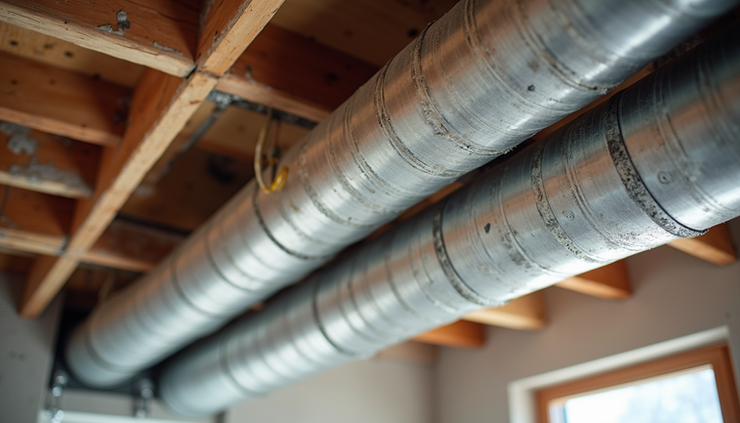
Load Calculations: The Foundation of HVAC Design
Load calculations determine the heating and cooling capacity needed for a home. Without accurate calculations, the system may be too small to maintain comfort or too large, wasting energy and money.
Why Load Calculations Matter
Ensure the system meets the home's specific needs.
Prevent oversizing or undersizing equipment.
Improve comfort by maintaining consistent temperatures.
Reduce energy consumption and operational costs.
How to Perform Load Calculations
Gather Building Data
Collect information about the home's size, orientation, insulation levels, window types, number of occupants, and local climate.
Heat gain includes solar radiation through windows, internal heat from appliances and occupants, and heat transfer through walls and roofs.
Heat loss occurs during cold weather through the building envelope.
Calculate Heat Gains and Losses
Use Manual J or Software Tools
Manual J is the industry standard method for residential load calculations. Many software programs automate this process, improving accuracy and saving time.
Adjust for Ventilation and Infiltration
Account for outdoor air entering the home through ventilation systems and leaks.
Example
A 2,000 square foot home in a temperate climate might require around 24,000 BTU/hr (British Thermal Units per hour) for cooling. This number varies based on insulation quality and window shading.
Equipment Selection: Choosing the Right HVAC Systems
Selecting the right equipment ensures the system operates efficiently and meets the home's needs.
Criteria for Equipment Selection
Capacity Matching
Choose equipment that matches the load calculations. Oversized units cycle on and off frequently, reducing efficiency and comfort.
Type of System
Options include split systems, packaged units, heat pumps, and furnaces. The choice depends on climate, budget, and space.
Energy Efficiency Ratings
Look for high Seasonal Energy Efficiency Ratio (SEER) for cooling and Annual Fuel Utilization Efficiency (AFUE) for heating.
Noise Levels
Consider quieter models for better indoor comfort.
Compatibility with Controls
Ensure the system works with thermostats and smart home devices.
Practical Tips
In colder climates, heat pumps with backup heating provide efficient year-round comfort.
For homes with limited outdoor space, packaged units combine heating and cooling in one compact system.
Consider equipment with variable speed compressors for better humidity control and energy savings.
Duct Sizing: Ensuring Proper Airflow
Ductwork delivers conditioned air throughout the home. Proper sizing and layout are critical to system performance.
Why Duct Sizing Matters
Prevents pressure imbalances and noise.
Ensures even temperature distribution.
Reduces energy waste from leaks and poor airflow.
Tips for Proper Duct Sizing and Layout
Use duct sizing methods such as the Equal Friction or Static Regain method to determine duct dimensions.
Keep duct runs as short and straight as possible to minimize pressure loss.
Use smooth, rigid ducts instead of flexible ducts where feasible.
Seal all joints and seams with mastic or metal tape to prevent leaks.
Insulate ducts in unconditioned spaces to reduce heat loss or gain.
Example
A main supply duct might be sized at 12 inches in diameter, branching into smaller 6-8 inch ducts for individual rooms, depending on airflow requirements.
Ventilation Design: Creating Healthy Indoor Airflow
Ventilation removes indoor pollutants and controls humidity, improving indoor air quality.
Best Practices for Ventilation Design
Incorporate mechanical ventilation systems such as Energy Recovery Ventilators (ERVs) or Heat Recovery Ventilators (HRVs) to exchange indoor and outdoor air efficiently.
Follow local building codes for minimum ventilation rates.
Place supply and return vents strategically to promote good air mixing.
Avoid placing vents near windows or doors to prevent drafts.
Use exhaust fans in kitchens and bathrooms to remove moisture and odors.
Example
An ERV system can recover up to 70% of the energy from exhausted air, reducing heating and cooling loads while maintaining fresh air.
Energy Efficiency Considerations: Strategies to Save Energy
Energy-efficient HVAC design reduces utility bills and environmental impact.
Strategies to Enhance Efficiency
Proper Insulation and Sealing
Improve the building envelope to reduce heating and cooling loads.
Use Programmable Thermostats
Adjust temperatures based on occupancy and time of day.
Select High-Efficiency Equipment
Choose units with ENERGY STAR certification.
Optimize System Controls
Use zoning systems to condition only occupied areas.
Regular Maintenance
Clean filters, check refrigerant levels, and inspect ductwork to maintain efficiency.
Example
A home with well-sealed ducts and a programmable thermostat can save up to 20% on heating and cooling costs annually.


Comments